The Founding Collection Is Here! America Runs on Local Government. Preorder by November 22.
Every week, you’ll get insights and actionable steps to help you navigate personal growth and professional success.

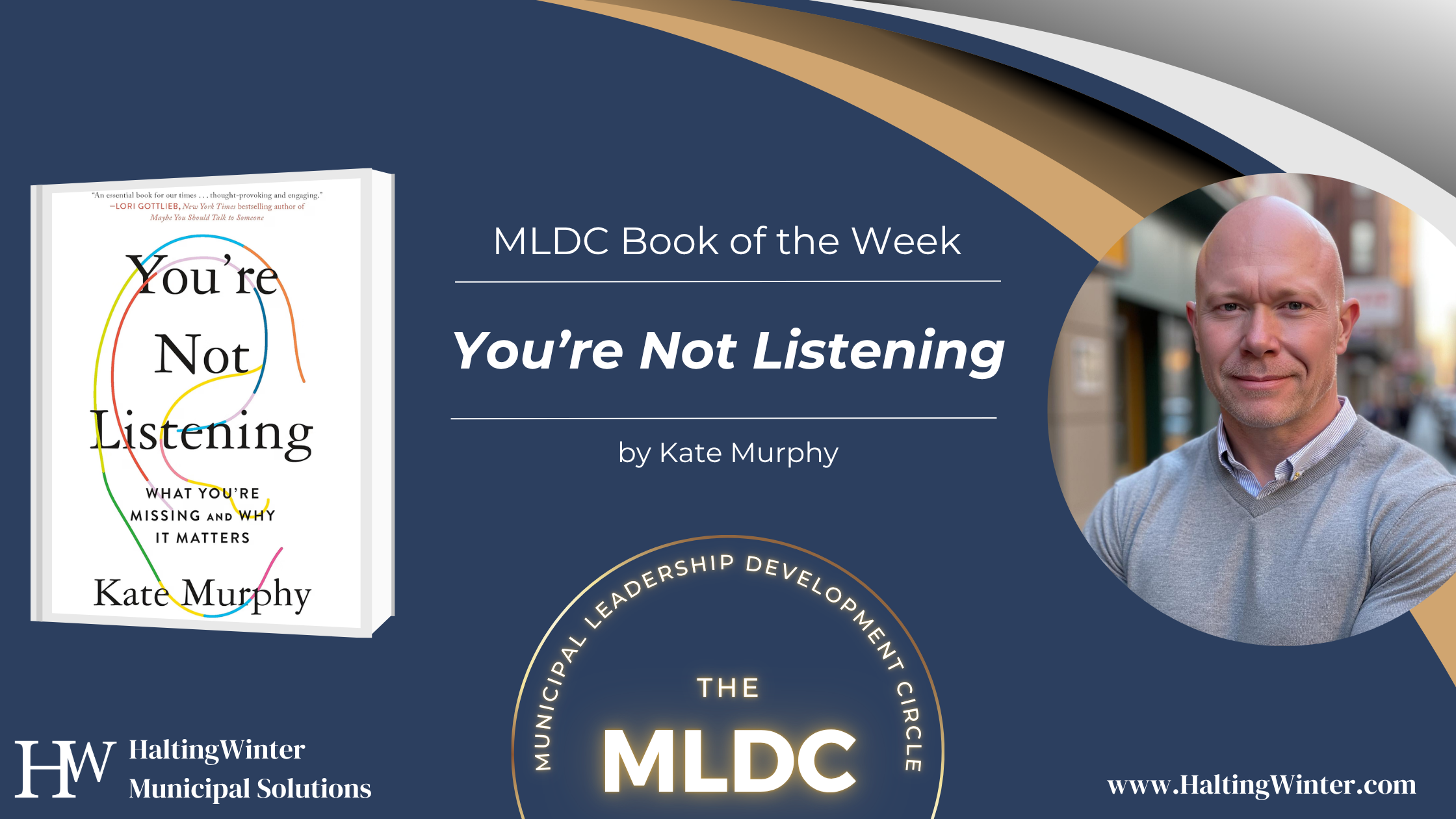
The last time someone disagreed with you at a council meeting, a staff check-in, or a public comment period…were you actually listening, or were you already building your response?
If you’re honest, it’s probably the second one. Most of us are. And according to journalist Kate Murphy, that habit is quietly costing us more than we think.

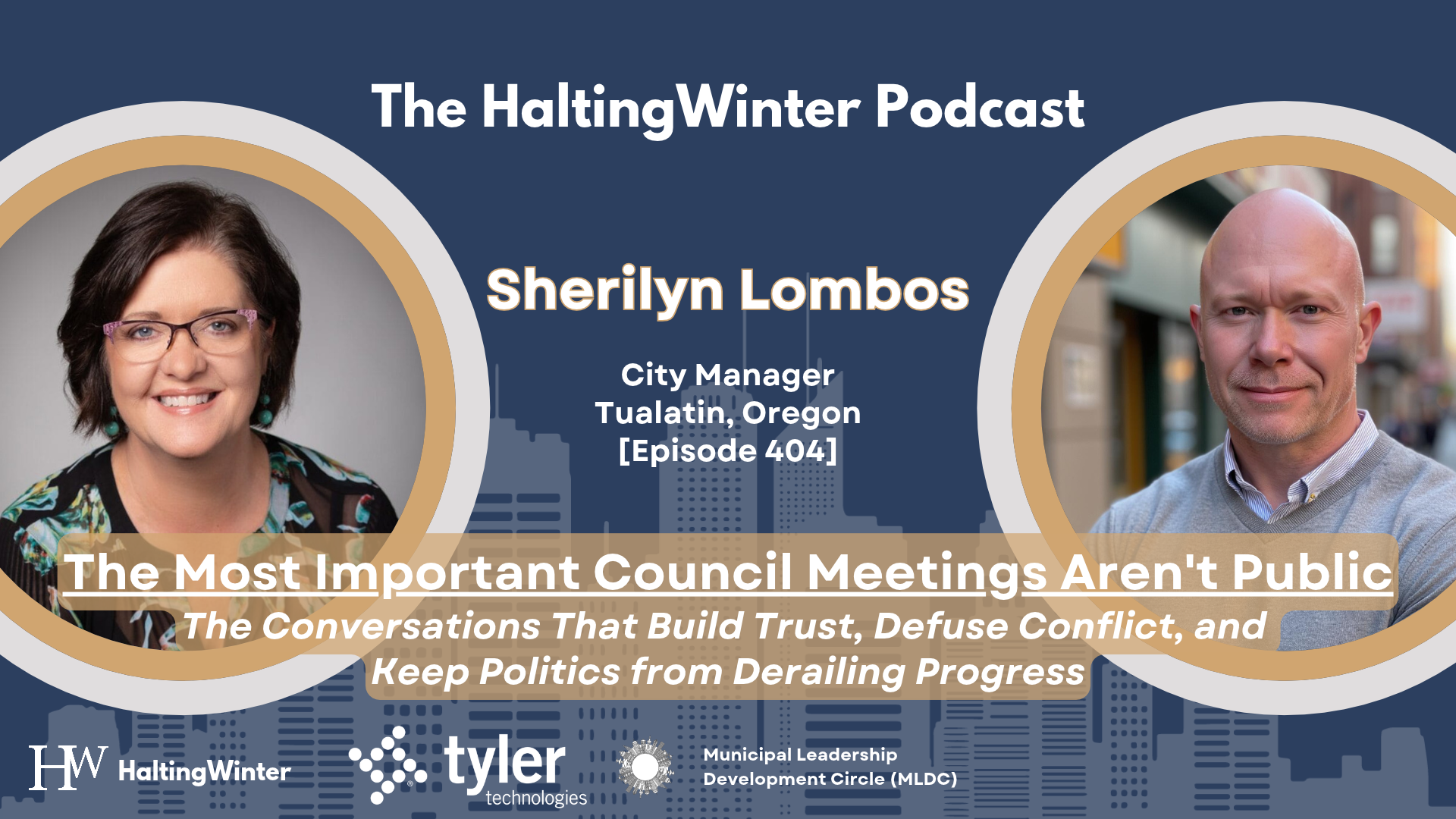
Episode 404 of The HaltingWinter Podcast
Sponsored by Tyler Technologies
How many difficult council meetings could have gone differently if the right conversations had happened beforehand?
A council member challenges staff from the dais. An unexpected objection derails a carefully prepared proposal. Political tensions turn what should have been a productive meeting into an exhausting evening.
For many city managers, these situations feel like an unavoidable part of the job.
But what if they aren’t?
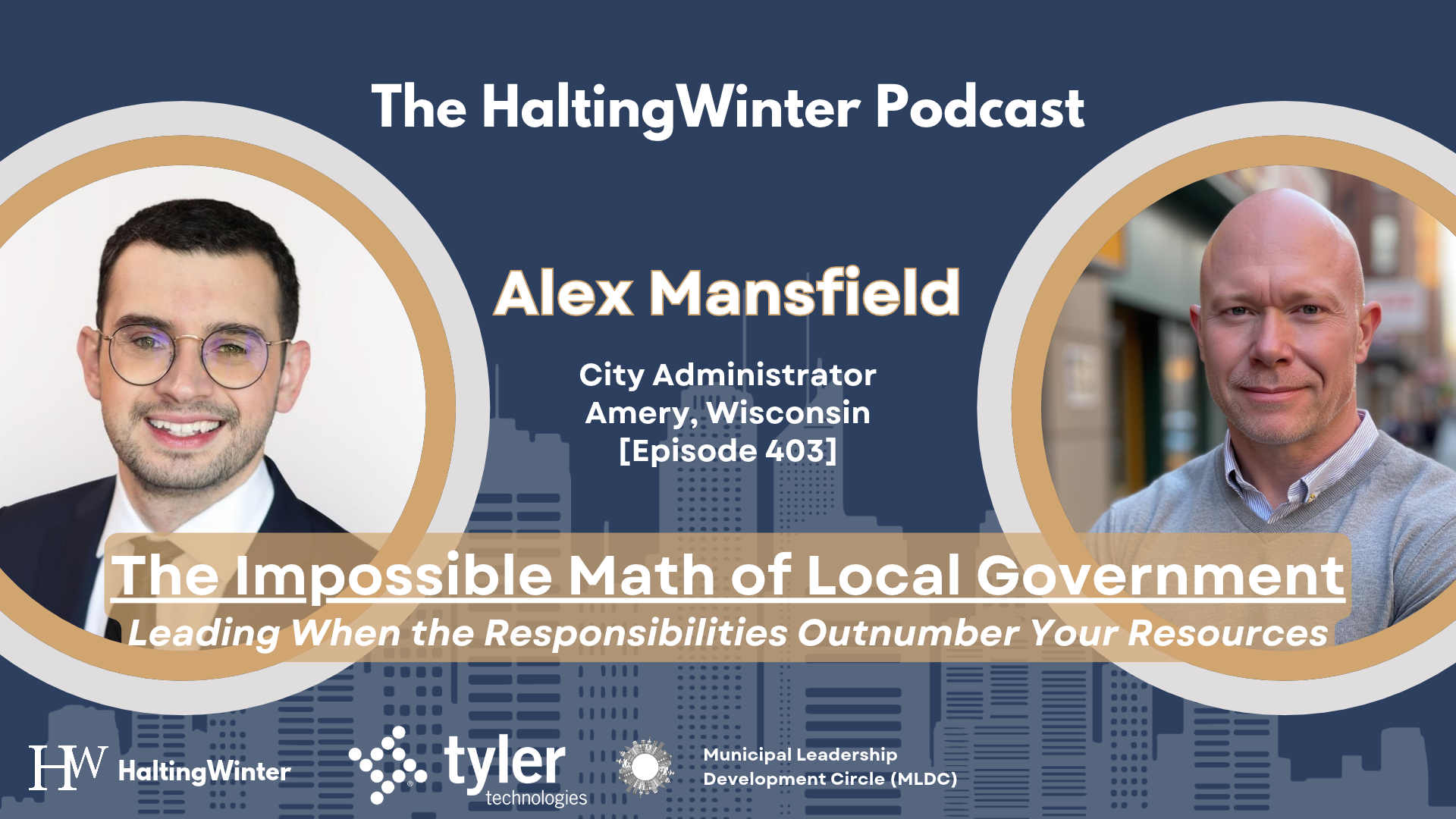
Episode 403 of The HaltingWinter Podcast
Sponsored by Tyler Technologies
There’s a math problem every municipal leader knows all too well.
Your community wants better roads, safer neighborhoods, thriving businesses, beautiful parks, and reliable infrastructure. Your employees need competitive compensation, updated equipment, and adequate staffing. Your elected officials have priorities. Your residents have expectations.
And somehow, you’re supposed to make it all work with the resources you have.
The expectations keep growing. The resources don’t.
So what do you do?
Here’s a question worth chewing on: how much of what slows your organization down is actually a process problem and how much of it is a trust problem wearing a process costume?
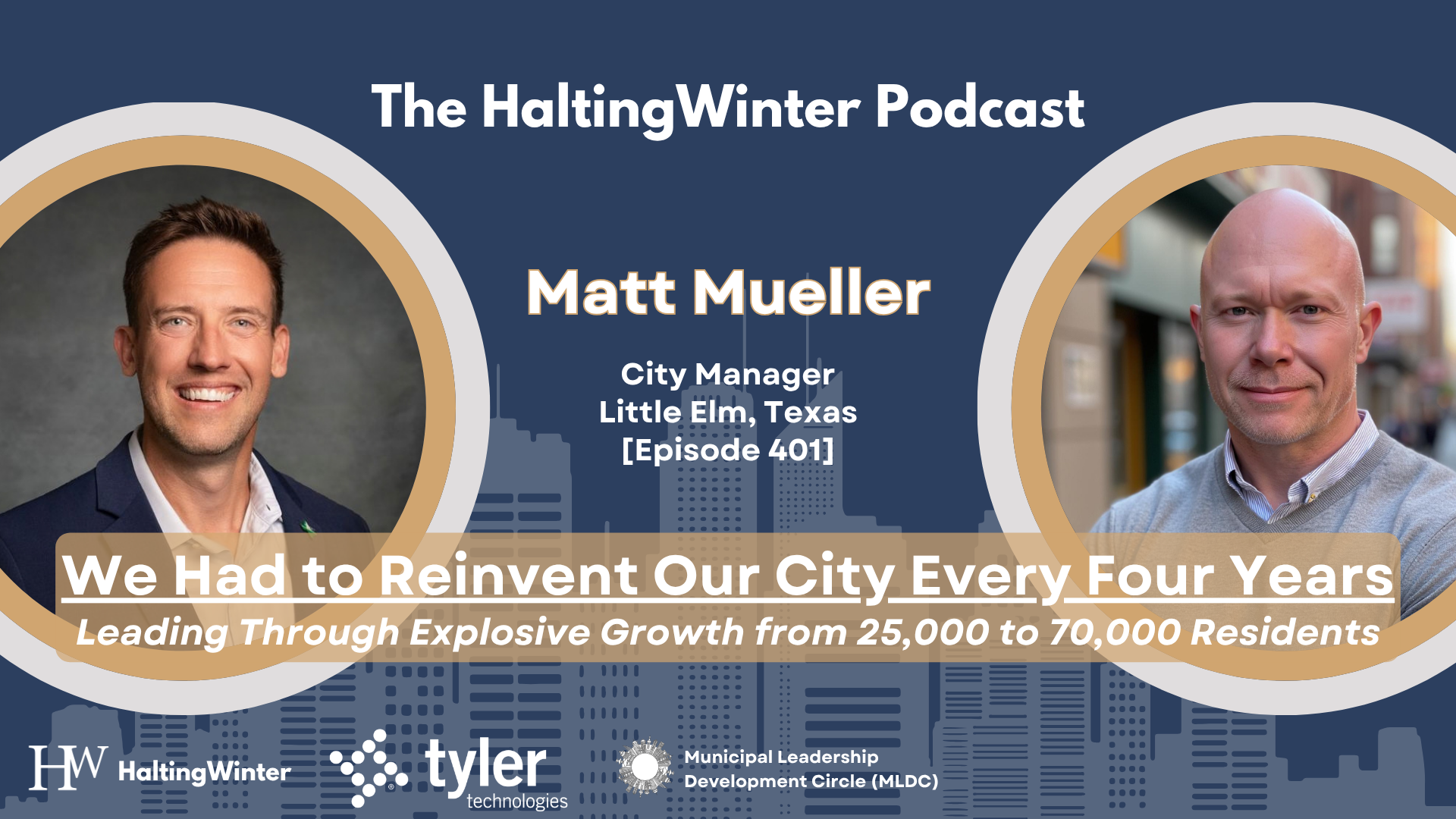
Episode 401 of The HaltingWinter Podcast
Sponsored by Tyler Technologies
Imagine arriving as the town manager of a community with 25,000 residents. Fourteen years later, that community is approaching 70,000. That’s not just growth. That’s an entirely different city.
And for Matt Mueller, Town Manager of Little Elm, Texas, the greatest challenge hasn’t simply been keeping up with new homes, roads, businesses, and public services.
It’s been making sure the organization responsible for serving that community doesn’t get left behind.
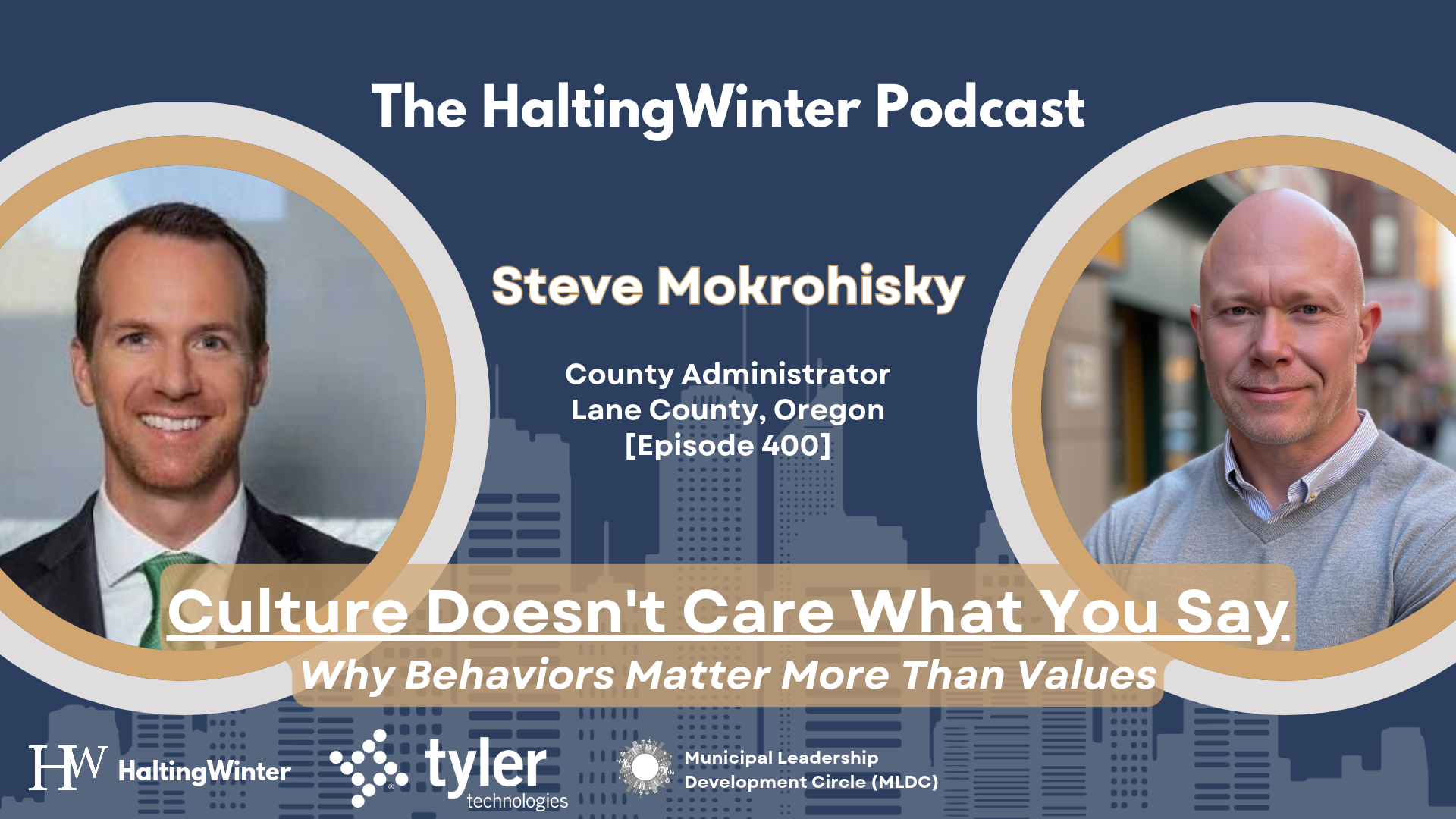
Episode 400 of The HaltingWinter Podcast
Sponsored by Tyler Technologies
Every city and county has a culture. Some have spent thousands of dollars defining it. They’ve held retreats, identified core values, developed mission statements, and put inspirational words on the walls.
But here’s the uncomfortable question: If I spent a week watching your employees work, would their behaviors reflect the values your organization claims to hold?
Because culture doesn’t care what you say.
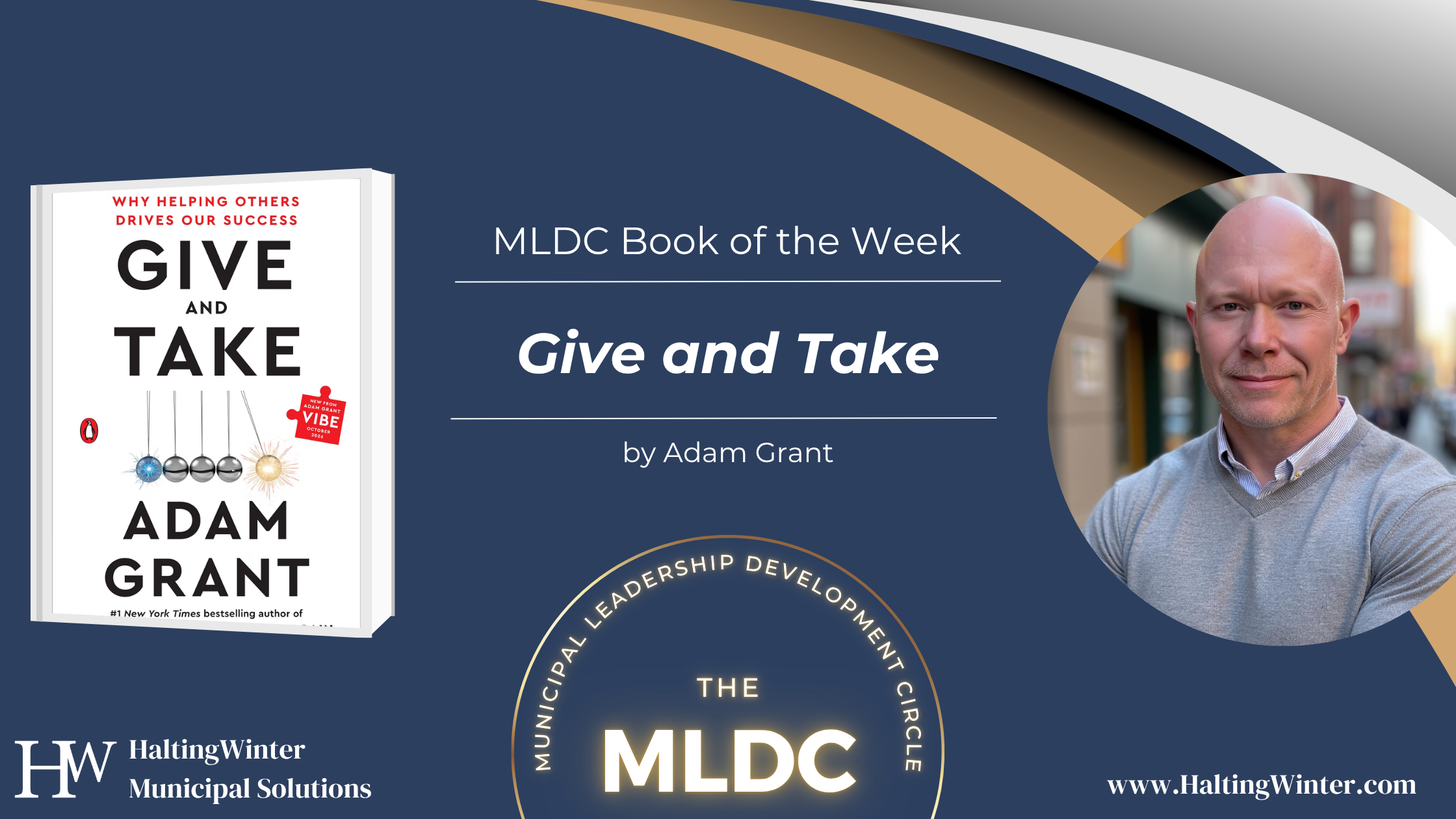
There’s a stat buried in Adam Grant’s research that should make every local government leader pause: the people who perform worst in any organization and the people who perform best are often the same personality type. Not opposites…the same type. What separates them isn’t talent, effort, or even intent. It’s one subtle habit most leaders have never been taught to examine.
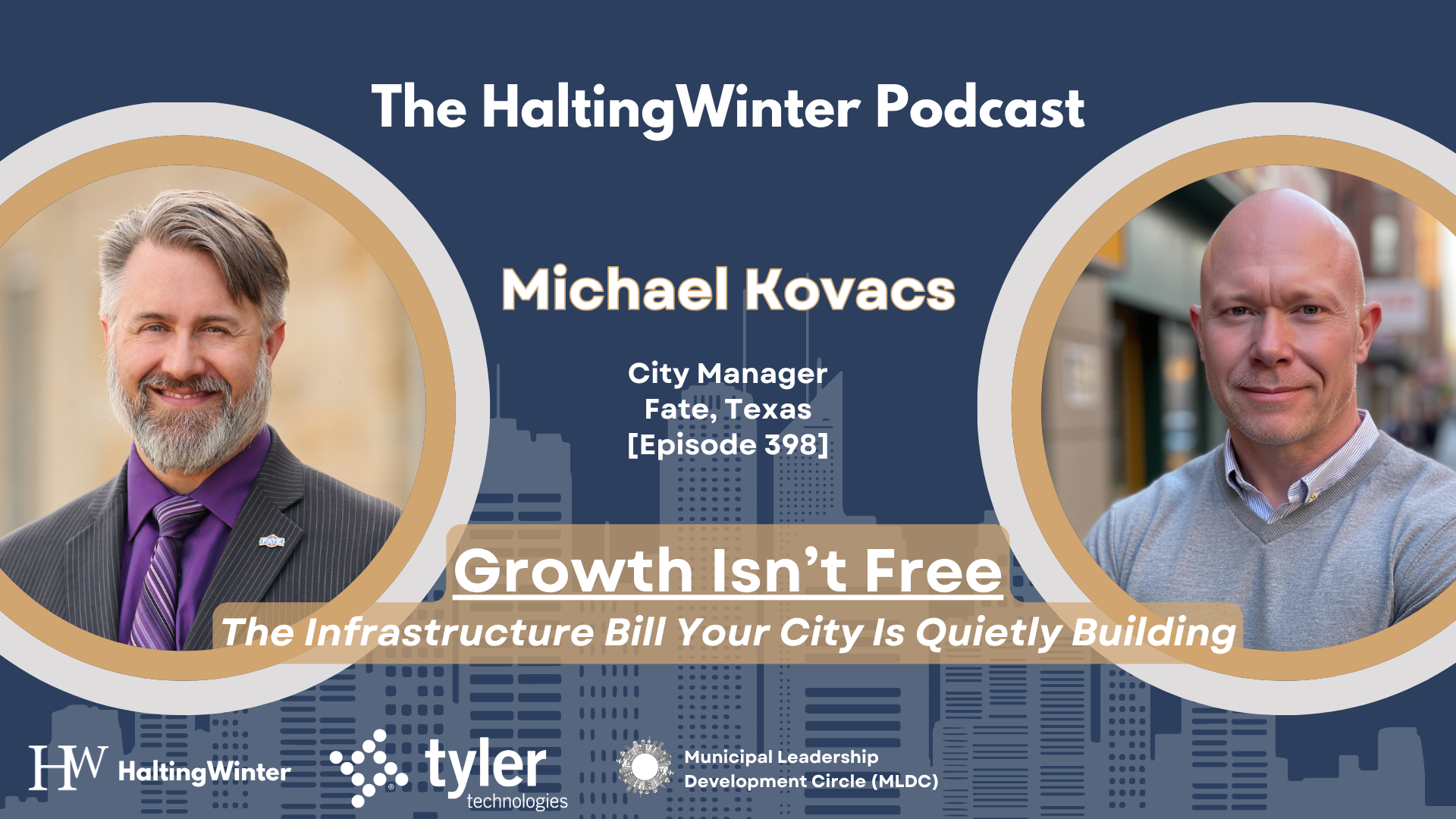
Episode 398 of The HaltingWinter Podcast
Sponsored by Tyler Technologies
Growth is good. At least, that’s the assumption.
New subdivisions mean new residents. New development means new tax revenue. New roads and infrastructure mean progress.
But what happens 20, 30, or 40 years from now when all of that infrastructure needs to be replaced?
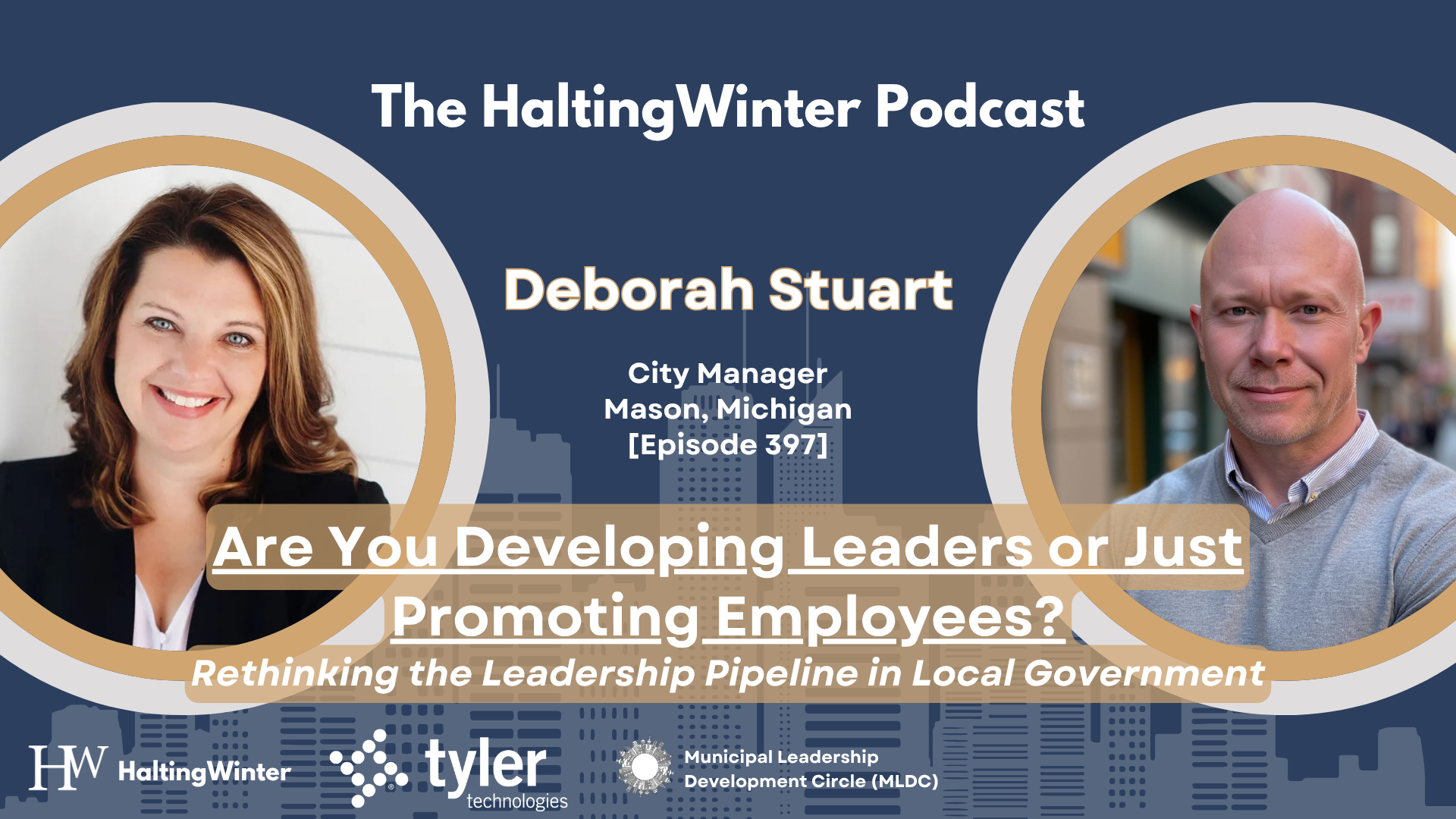
Episode 397 of The HaltingWinter Podcast
Sponsored by Tyler Technologies
Local government has a hiring problem. Or does it?
Across the country, cities and counties are struggling to fill supervisor, manager, and department-head positions. We talk about shrinking applicant pools, retirements, competition with the private sector, and the difficulty of attracting the next generation into public service.
All legitimate challenges. But what if part of our hiring problem is actually a development problem?
Every year, a handful of local government leaders decide they’re done leading by accident.
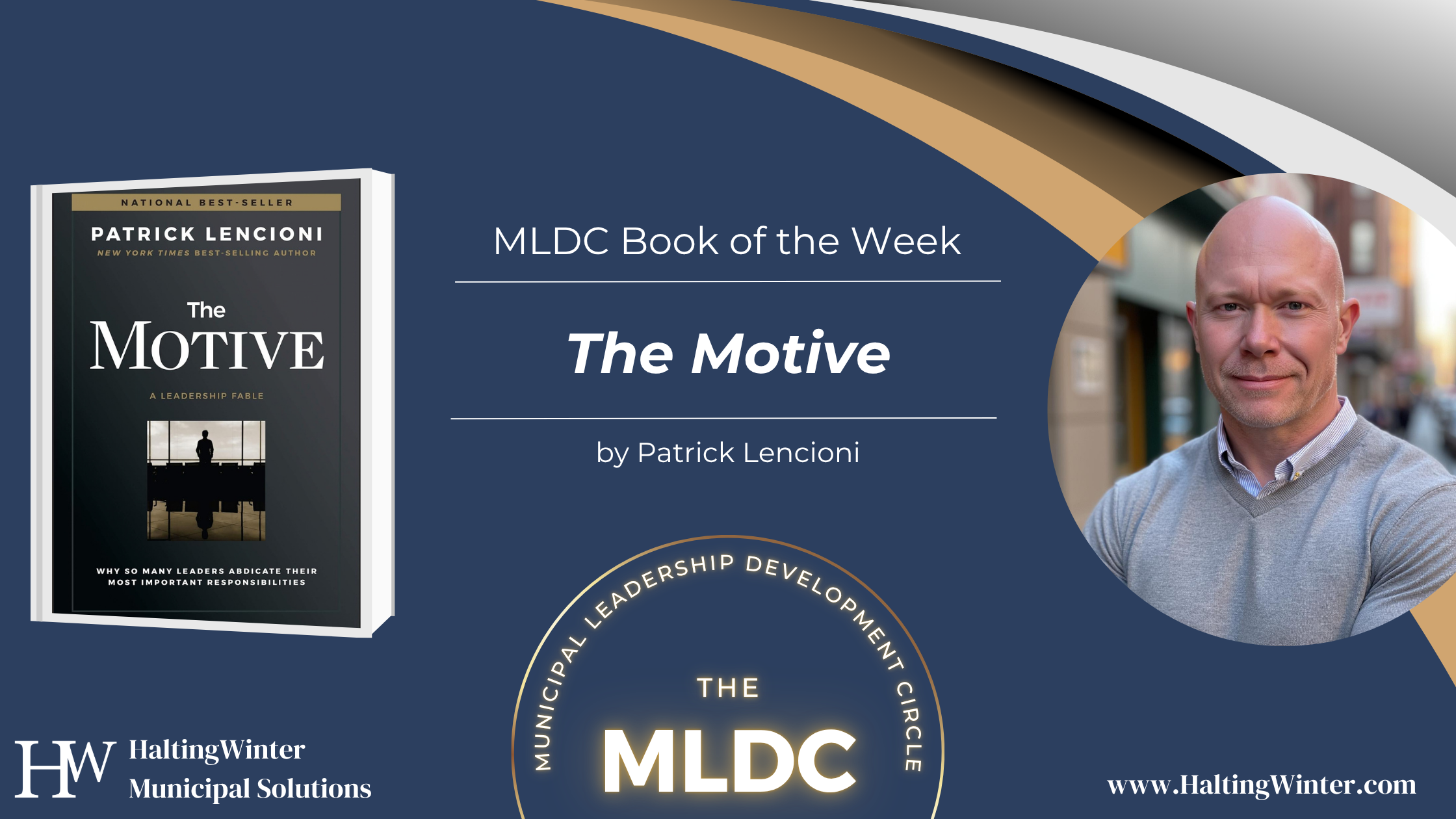
They stop treating their role as something that happened to them — a promotion, a title, a reward for tenure — and start treating it as what Patrick Lencioni calls it in his book The Motive: a responsibility. One they chose. One they’re going to do well, even the parts that are hard, slow, and unglamorous.
This week in the MLDC, we dig into that distinction: the difference between reward-centered and responsibility-centered leadership, and why it shows up faster and more visibly in city halls and county offices than almost anywhere else. If you haven’t listened to the episode on The HaltingWinter Podcast yet, it’s worth the five minutes.
But listening is the easy part. The harder part — the part that actually changes how you lead — happens with the right people, in the right room, held accountable over time. That’s what MLDC is built for.
2027 memberships are open now, and applications for our January Mastermind groups are open too. These are small, limited groups of local government leaders working through exactly this kind of material together — not alone, not once a year at a conference, but consistently, with people who understand the job because they’re living it too.
Spots are limited, and the application deadline is October 31st.
Secure your 2027 MLDC membership and apply for a January Mastermind group at HaltingWinter.com/MLDC before October 31st.
The Municipal Leadership Development Circle (MLDC), led by Seth Winterhalter, is a community for city and county managers, administrators, and local government leaders who believe leadership shouldn’t be carried alone. Through trusted peer relationships, candid conversations, and practical leadership development, the MLDC creates space for municipal leaders to think differently, grow intentionally, and navigate the challenges of leadership alongside people who understand the weight of the work. Learn more at HaltingWinter.com/MLDC.