Municipal Leaders: Develop Faster, Lead Stronger, Build Better

Every week, you’ll get insights and actionable steps to help you navigate personal growth and professional success.

Every municipal leader knows the frustration: a simple community need that should take weeks to address somehow requires months of procedures, approvals, and departmental coordination. Good intentions have accumulated into bureaucratic barriers that prevent the very outcomes you’re trying to achieve.
Your Monday morning department head meeting sounds like a support group for municipal leaders dealing with impossible circumstances.
“The council doesn’t understand what we actually do.”
“Citizens expect miracles with no resources.”
“If they’d just listen to us, none of this would be happening.”
Everyone nods sympathetically. The complaints feel valid. The frustrations are real.
You’re standing before council during budget deliberations when a member challenges your transparency while questioning your department’s spending patterns. Your response in this moment—and a thousand others like it—determines whether you lead with credibility or struggle with constant skepticism.
It’s 7:30 PM on a Thursday. You’re still at city hall, staring at your computer screen, trying to make sense of budget projections that should have been simple to analyze. You’ve been “working” for twelve hours, but somehow you feel like you’ve accomplished nothing meaningful.
If you’re nodding your head, you’re not alone. Municipal leaders across the country are drowning in the same destructive pattern: confusing busyness with productivity, motion with progress, and hours worked with value created.
But what if I told you there’s a better way? What if you could accomplish more meaningful work in fewer hours, make better decisions under pressure, and finally feel like you’re leading your community instead of just reacting to it?
The water main break happened at 2 AM on a Sunday. Within minutes, you were coordinating emergency response, managing media calls, and preparing community updates. Your leadership was decisive and effective—the crisis was handled well.
But here’s what you might not have realized: your emotional state during those critical hours didn’t just affect your own performance. It rippled through your entire emergency response team, influenced how staff communicated with affected residents, and shaped how your community experienced their local government during a moment of vulnerability.
This is the hidden power—and responsibility—of municipal leadership that most city managers never fully understand.
You’ve seen the quarterly reports. Pages of metrics showing increased activity across every department. More permits processed, more inspections completed, more programs delivered. Your team is working harder than ever, yet you can’t shake the feeling that all this effort isn’t translating into the community impact you envisioned when you chose public service.
If this resonates, you’re not alone—and you’re not stuck.
The council meeting was spiraling. Budget cuts were on the table, department heads were defensive, and residents were demanding answers you didn’t have. As the city manager, you felt the familiar urge to armor up: to retreat into technical explanations, deflect criticism with procedural language, or simply power through with authority.
But what if there was a different way? What if the very vulnerability you’re trying to avoid could actually be your greatest leadership asset?
Take a look at your calendar from this week. How many meetings involved department heads bringing you problems to solve? How many decisions crossed your desk that someone else in your organization probably understood better than you?
If you’re like most local government leaders, the honest answer might be uncomfortable.
What does it mean to lead in local government today?
If your answer is “deliver services efficiently,” you’re not wrong—but you might be settling for too little.
If you’ve ever sat in your office as a city/county manager, department director, or public sector leader and thought:
You’re not alone.
And you’re not broken.
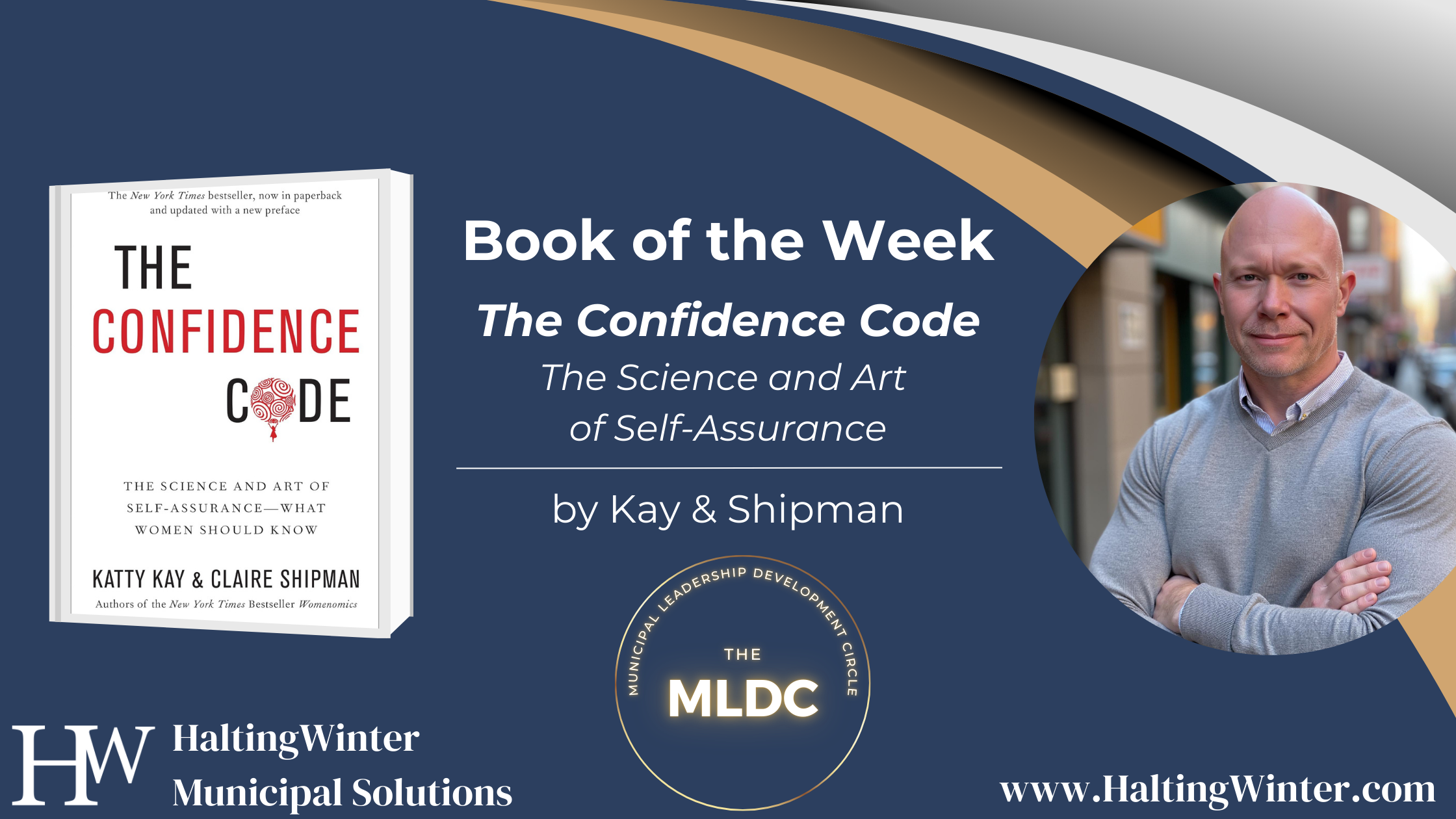
You’re likely navigating what we’re calling the confidence gap and this week inside the Municipal Leadership Development Circle (MLDC), we’re tackling it head-on.