Municipal Leaders: Develop Faster, Lead Stronger, Build Better
Every week, you’ll get insights and actionable steps to help you navigate personal growth and professional success.

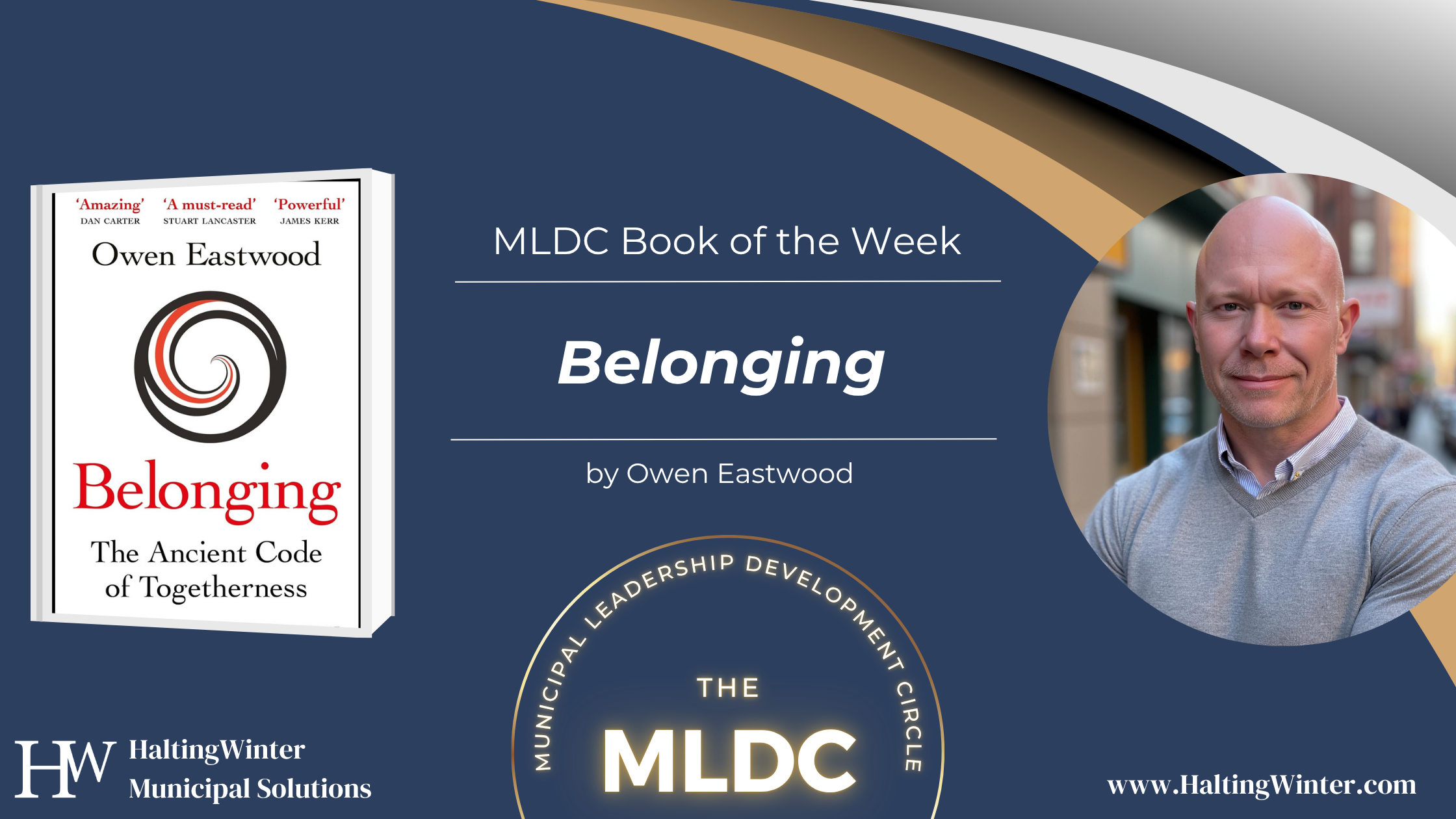
Owen Eastwood coaches some of the highest-performing organizations in the world, including elite military command groups, Olympic teams, and professional sports organizations. And the foundation of everything he does isn’t tactics, training, or strategy.
It’s belonging.

Most local government organizations are running a structure designed for predictability. Clear hierarchy. Specialized departments. Decisions flowing up, directives flowing down. It’s efficient…when the environment cooperates.
But when does this environment ever cooperate?
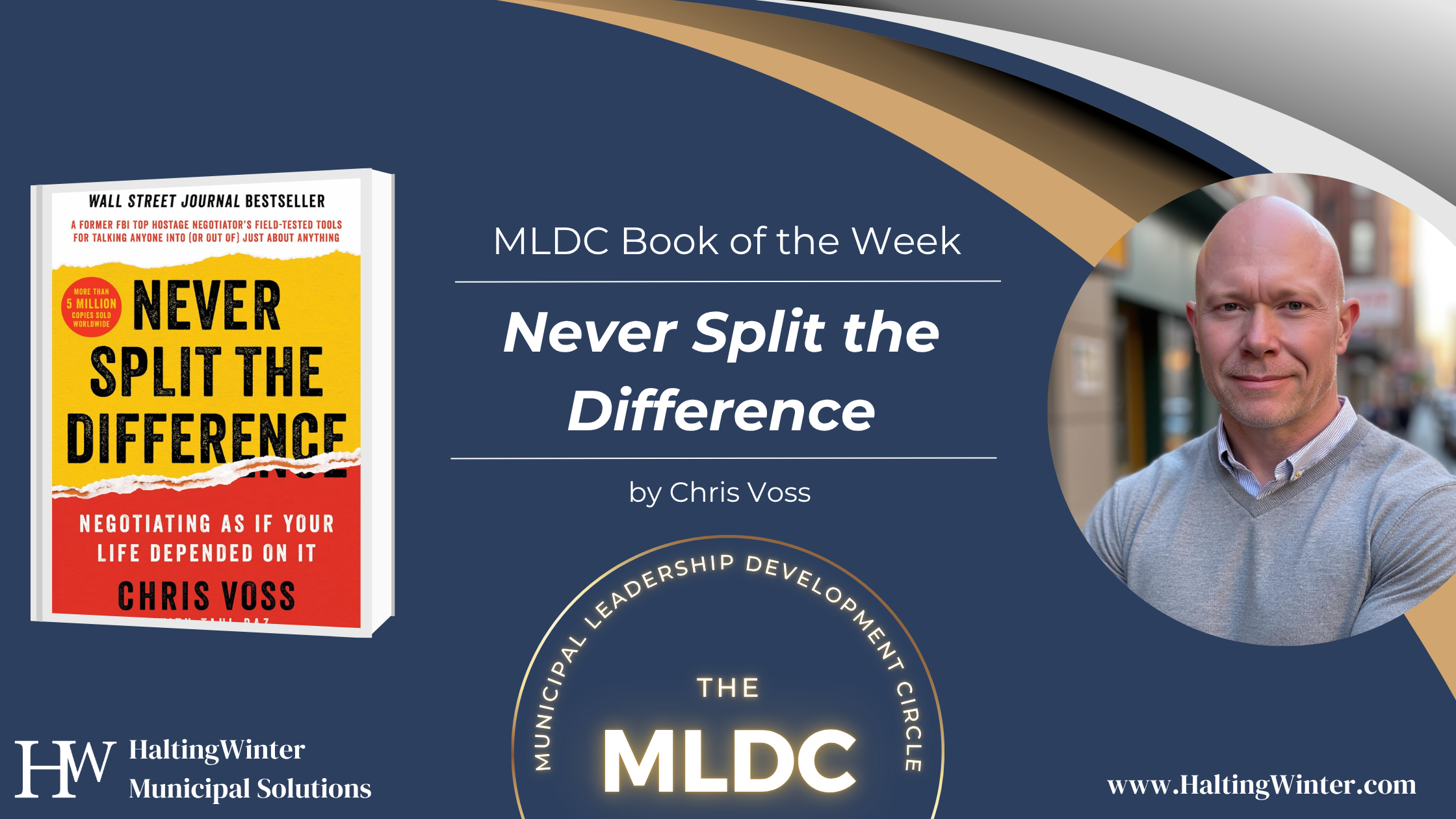
You’ve walked into a difficult conversation fully prepared with the data, the rationale, the well-reasoned argument and you still didn’t get what you needed. The council member wasn’t moved. The union rep wasn’t budging. The community meeting didn’t go the way it should have.
If that’s happened to you, it wasn’t a preparation problem. It was a negotiation problem. And this week inside the MLDC, we’re fixing it.
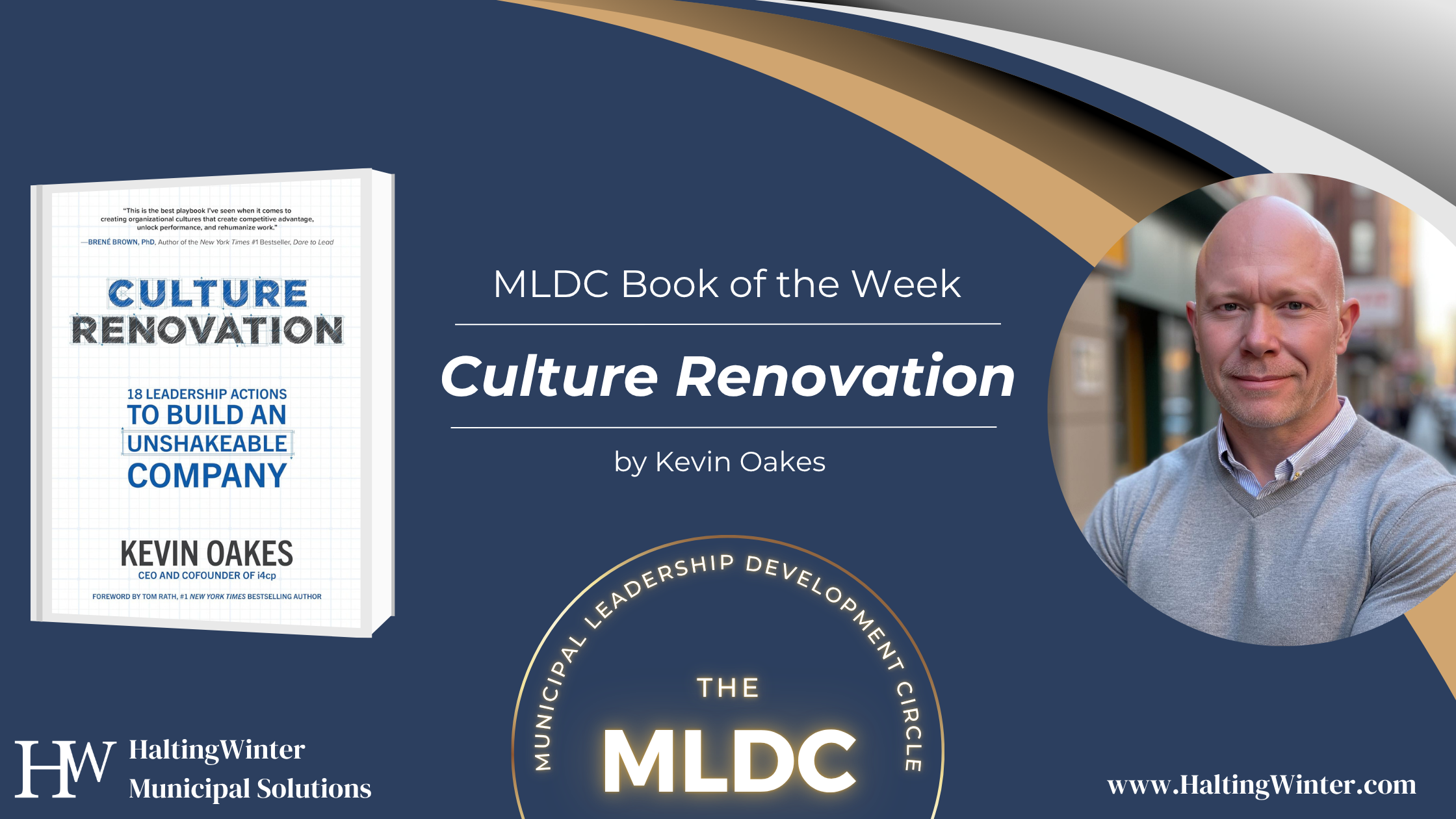
Most culture change efforts fail. The retreat happens, the values get posted on the wall, and six months later nothing has actually changed. Leaders feel the frustration of it. Staff learn to wait it out. And the cycle repeats with the next administration.
There’s a reality most leaders never consider: your organization doesn’t just have a culture; it has a future already in motion. Not the future in your strategic plan. Not the one you described in your last all-staff meeting. The future your people actually believe is coming, built from every initiative that stalled, every promise that quietly disappeared, every reorg that promised efficiency and delivered exhaustion.
There’s a question most local government leaders have never been asked.
Not about policy. Not about budget. Not about your council relationship or your strategic plan. A more personal one.
When someone on your staff walks into your office with a problem, how often do you already have the answer before they finish explaining it?
Think about the most capable person on your team. The one with the most experience, the best judgment, the deepest knowledge of how your organization actually works.
Now ask yourself honestly: how much of their day do they spend waiting for direction from above?
You’re preparing for tonight’s council meeting. The budget proposal faces serious opposition. Your heart rate climbs. Your palms sweat. You mentally rehearse defenses against every possible attack.
You’ve prepared thoroughly. You know the numbers. But you’re consumed with one question: “How will I look if this goes badly?”
You’re three weeks into budget season. Your inbox has 247 unread emails. The council wants updates on five different initiatives. Your assistant manager needs decisions on two personnel matters. Public Works is waiting on approval for the street project. And the community group that’s been calling daily just scheduled themselves on next week’s agenda.
You’re doing everything. And somehow, nothing’s moving forward.
This is exactly why we’re spending this week on “The One Thing” by Gary Keller and Jay Papasan inside the Municipal Leadership Development Circle.
You sit in your office between a difficult council meeting and an emergency department head call. The budget’s tight. The union’s upset. A resident complaint just hit the media. And you think: “What control do I actually have here?”
More than you realize.