Municipal Leaders: Develop Faster, Lead Stronger, Build Better

Every week, you’ll get insights and actionable steps to help you navigate personal growth and professional success.

It’s Monday morning, and you’re walking through city hall. In one department, employees are freely sharing innovative ideas for improving community services. In another, team members are collaboratively solving a complex infrastructure challenge. At the department head meeting, your leaders are openly discussing both successes and setbacks, knowing they can count on mutual support rather than criticism.

As city managers and municipal leaders, you face a unique set of challenges that private sector executives rarely encounter. You balance political pressures, public scrutiny, and community needs—all while trying to create organizations that serve effectively and sustainably.
That’s why I’m excited to announce the launch of our new podcast series exploring Simon Sinek’s “Leaders Eat Last” through the lens of municipal leadership. In this five-part journey, we’ll uncover how Sinek’s revolutionary insights can transform city government from the inside out.
What does it take to lead a city of 120,000 residents with a budget of nearly $400 million and 1,100 employees? How do you balance the competing demands of elected officials, department heads, and citizens while maintaining your own sense of identity and purpose?
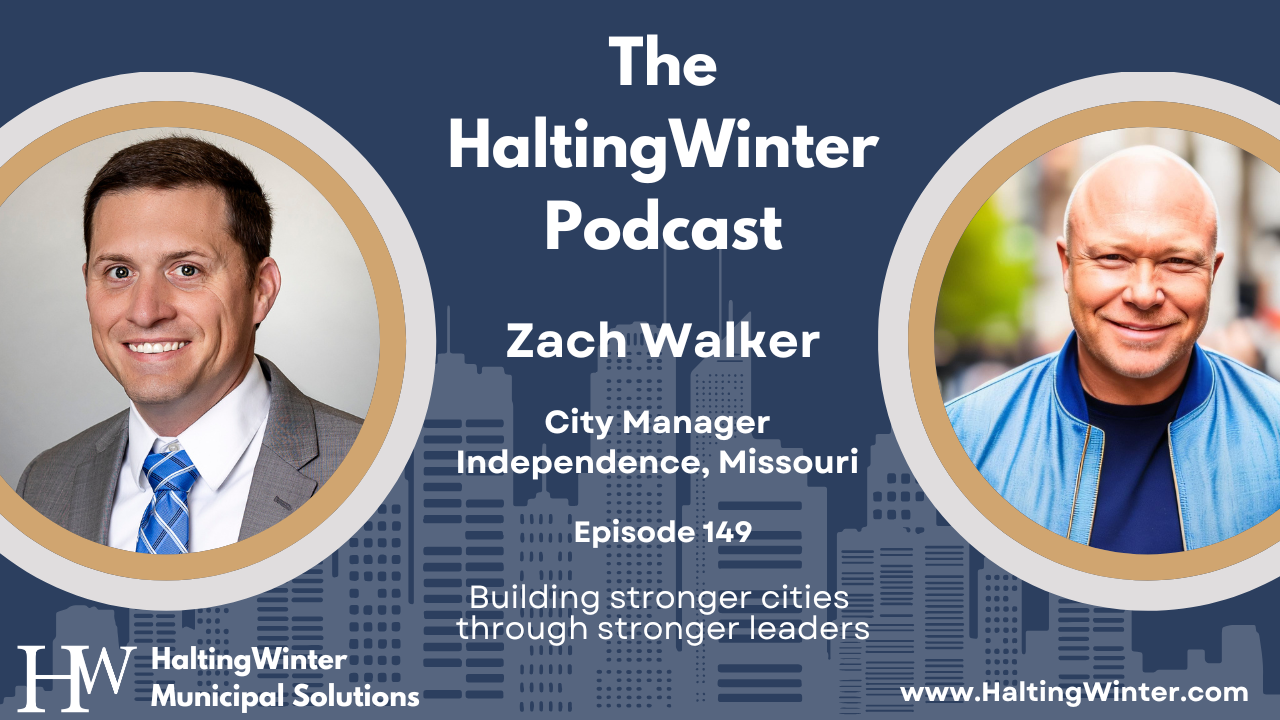
In episode 149 of the Halting Winter podcast, Seth Winterhalter sits down with Zach Walker, City Manager of Independence, Missouri to explore these questions and more. Their conversation reveals insights that resonate far beyond city management, touching on universal leadership challenges we all face.
This week on the HaltingWinter Podcast, we’re diving into a helpful approach to municipal leadership using the insights from “The Power of Full Engagement” by Jim Loehr and Tony Schwartz. If you’re a city manager or administrator feeling constantly drained despite what you believe is effective time management, this episode could transform your approach to leadership.
As a municipal leader, you intimately understand the weight of constant demands. From pre-dawn emergency calls to late-night council meetings, your schedule resembles a game of Tetris where the pieces never stop falling. Yet despite masterful calendar management and impeccable organization systems, you still find yourself depleted when your city needs you most.
Here’s why: You’ve been solving the wrong problem.
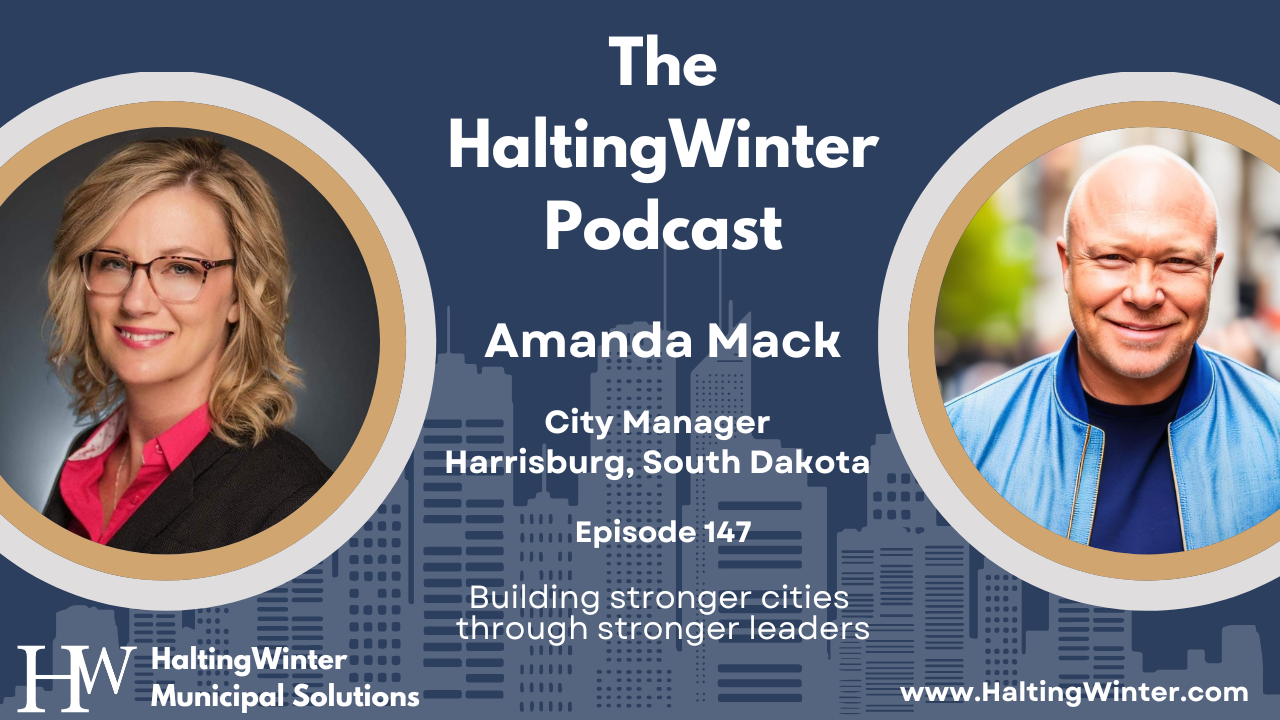
In our latest episode of The HaltingWinter Podcast, Seth Winterhalter sits down with Amanda Mack, City Administrator of Harrisburg, South Dakota, for a captivating conversation about municipal leadership, relationship building, and finding your authentic leadership style. Amanda brings a refreshing perspective to city management through her non-traditional path, political background, and commitment to authentic leadership.
Are you running your city—or is your autopilot doing it for you?
This Monday marks the beginning of an eye-opening journey into the unseen forces shaping your leadership decisions. Join me as the MLDC dives into Daniel Kahneman’s book, “Thinking, Fast and Slow,” unpacking his insights on how our minds actually work, translated specifically for the unique challenges of municipal leadership.
It’s Monday morning, and you’ve already made dozens of decisions before your first meeting. Which urgent emails to answer? How to respond to a council member’s text? What to do about the emerging situation in Public Works? Your brain is rapidly processing information and making choices, often before you’re consciously aware of them.
What you might not realize is how these split-second decisions shape your leadership effectiveness – and ultimately, your city’s success.
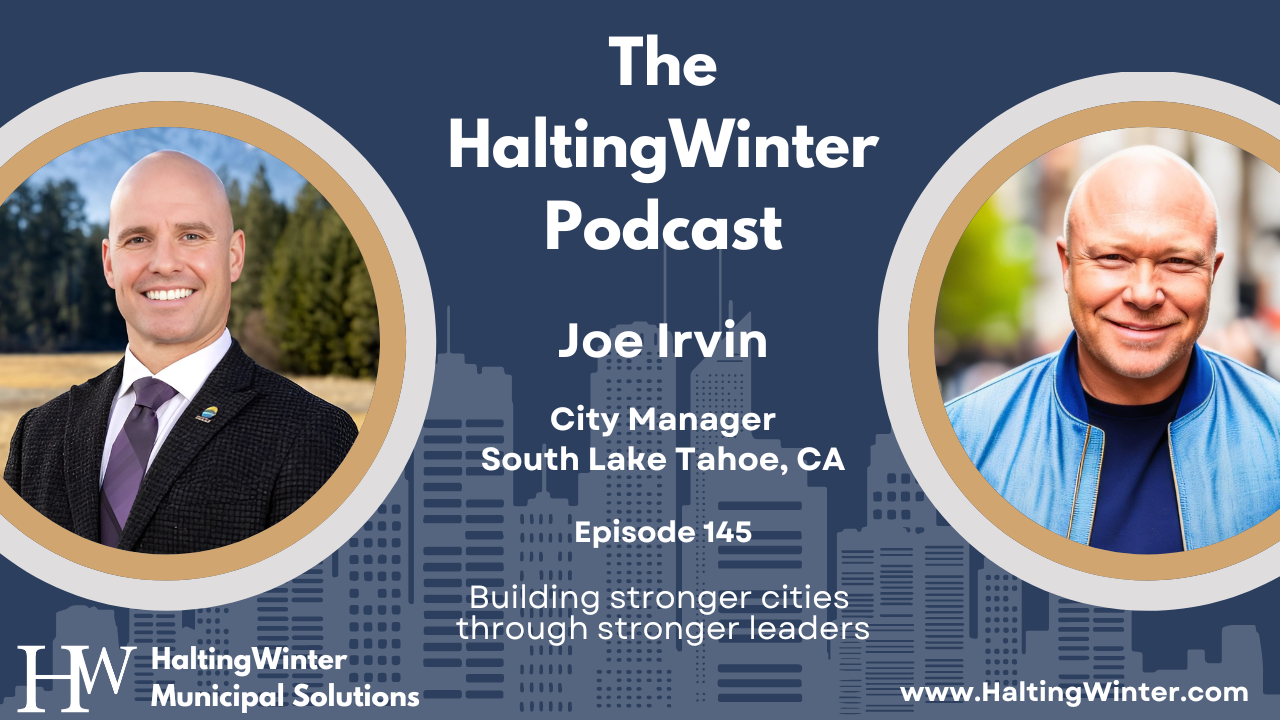
When Joe Irvin took the helm as City Manager of South Lake Tahoe in May 2020, he faced an extraordinary challenge. Tourism revenue had plummeted from over $1 million to under $50,000 a month, his staff was working remotely, and he had to build relationships with a team he could barely meet in person. But this wasn’t the first time Irvin had embraced a challenge in South Lake Tahoe.
In our latest episode of The HaltingWinter Podcast, Irvin shares his remarkable journey from entrepreneurial college student selling snowboard wax to leading one of California’s most unique cities. His story offers valuable insights for any municipal leader grappling with organizational change, crisis management, or work-life integration.
It’s Monday morning at City Hall. Your inbox is overflowing with department reports, your calendar is packed with meetings, and three council members have already called about various constituent concerns. Yet something feels off. Despite all the activity, there’s a subtle but persistent sense of disconnection between your team’s daily tasks and the larger mission of serving your community.
This scenario plays out in city halls across the country, where dedicated public servants work tirelessly but sometimes lose sight of the deeper purpose that drives their service. The challenge isn’t just about managing tasks or meeting deadlines – it’s about cultivating a culture where every team member understands and feels connected to the “Why” behind their work.