Municipal Leaders: Develop Faster, Lead Stronger, Build Better

Every week, you’ll get insights and actionable steps to help you navigate personal growth and professional success.

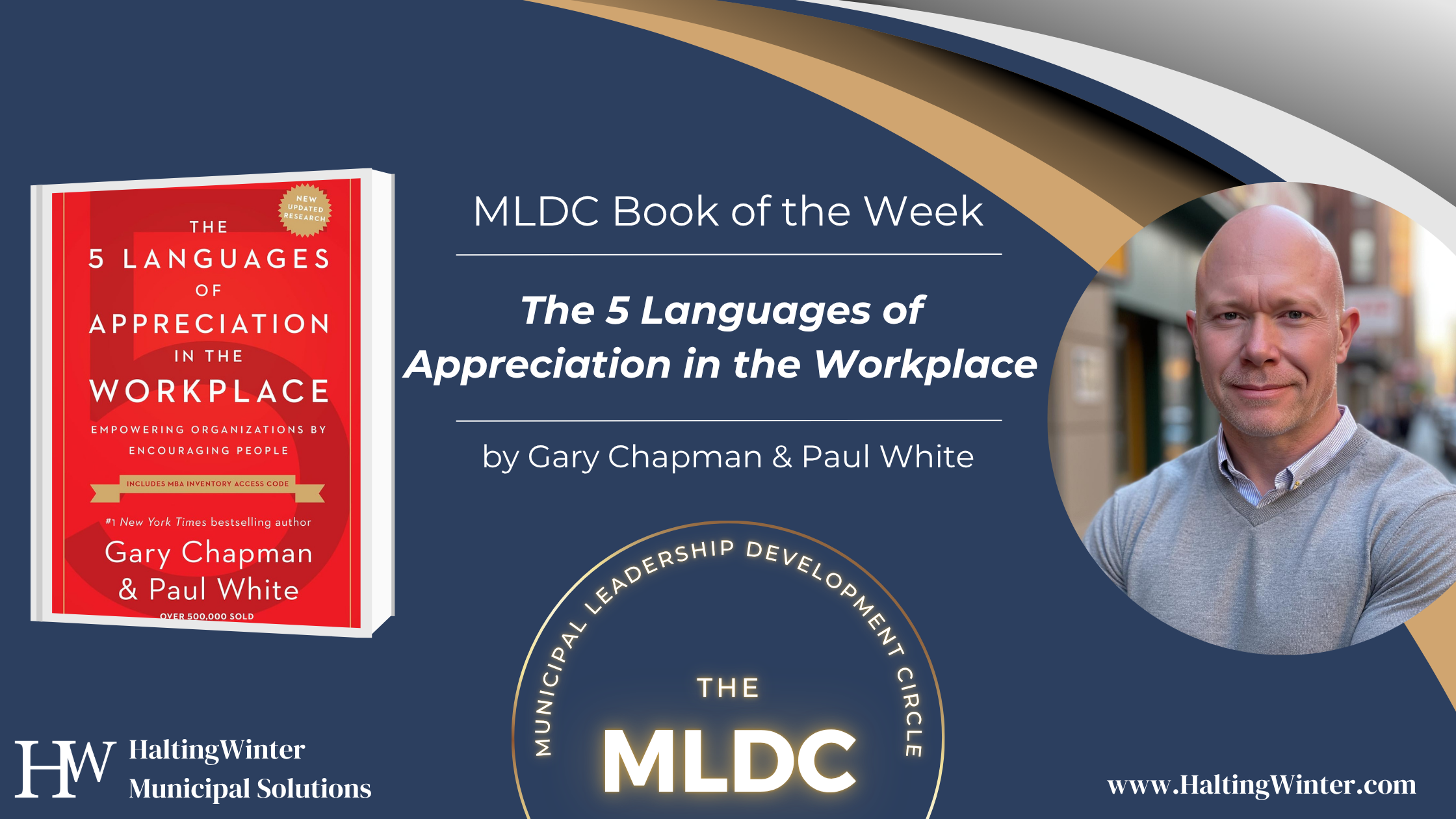
You’ve done everything right.
Competitive salaries. Solid benefits. Regular recognition at staff meetings. Department appreciation events. You even advocated for their budget increases at council.
Yet another resignation letter lands on your desk. The exit interview says the same thing you’ve heard before: “I didn’t feel appreciated.”
You’re frustrated. You’re confused. And honestly? You’re a little angry. Because you do appreciate them. You’ve been showing it. Or so you thought.
Here’s the problem: You’re speaking a language your team doesn’t understand.
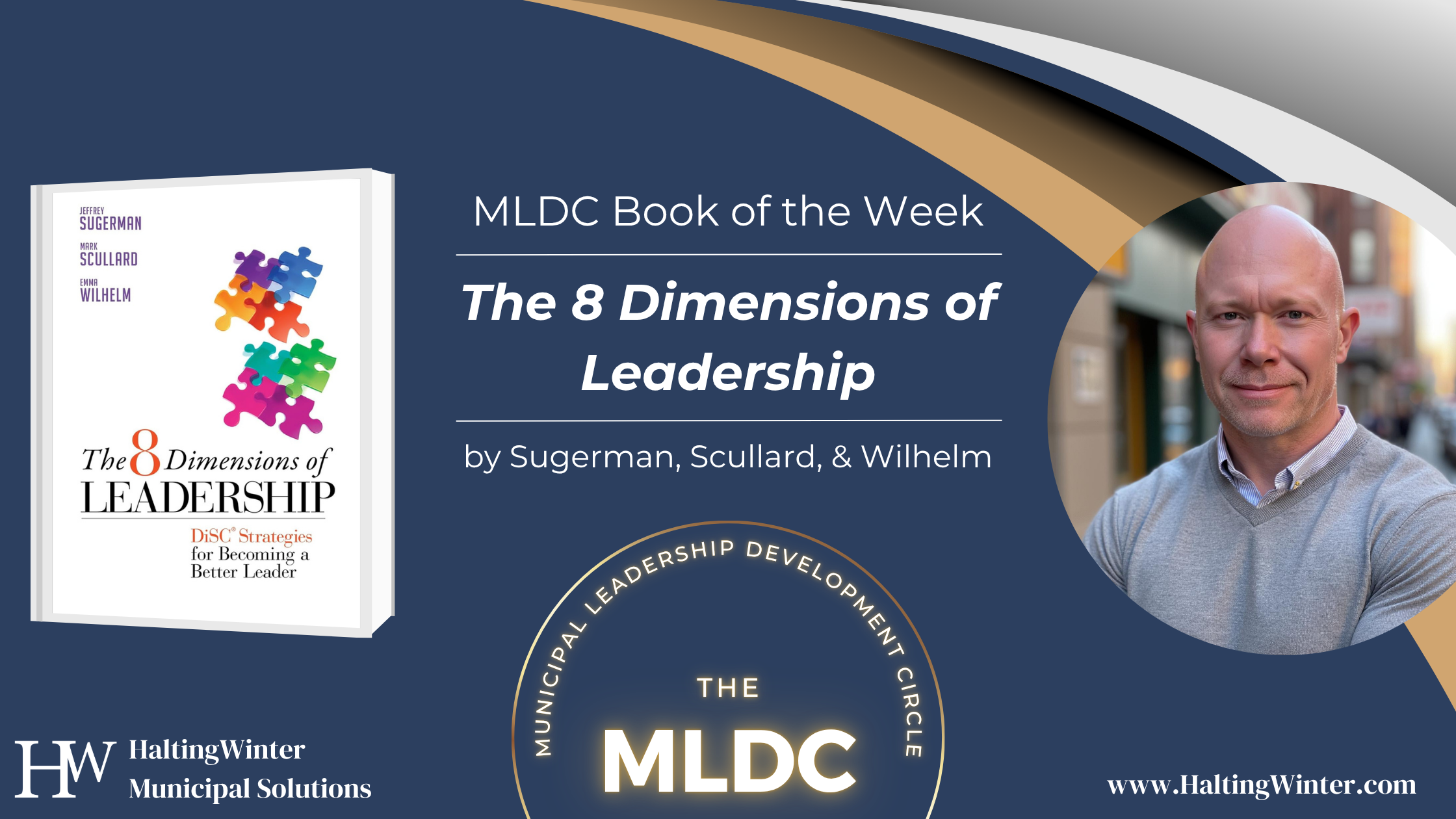
You prepared thoroughly for the budget meeting. Your analysis was comprehensive, your recommendations sound, your presentation logical. The department heads nodded in agreement.
Then the community activists arrived at the public hearing.
They didn’t want your methodical breakdown of fiscal constraints. They wanted acknowledgment of their concerns. Connection. Urgency. Your analytical approach, the one that works perfectly in administrative settings, now created distance when you needed engagement.
Same leader. Same preparation. Wrong dimensional approach.
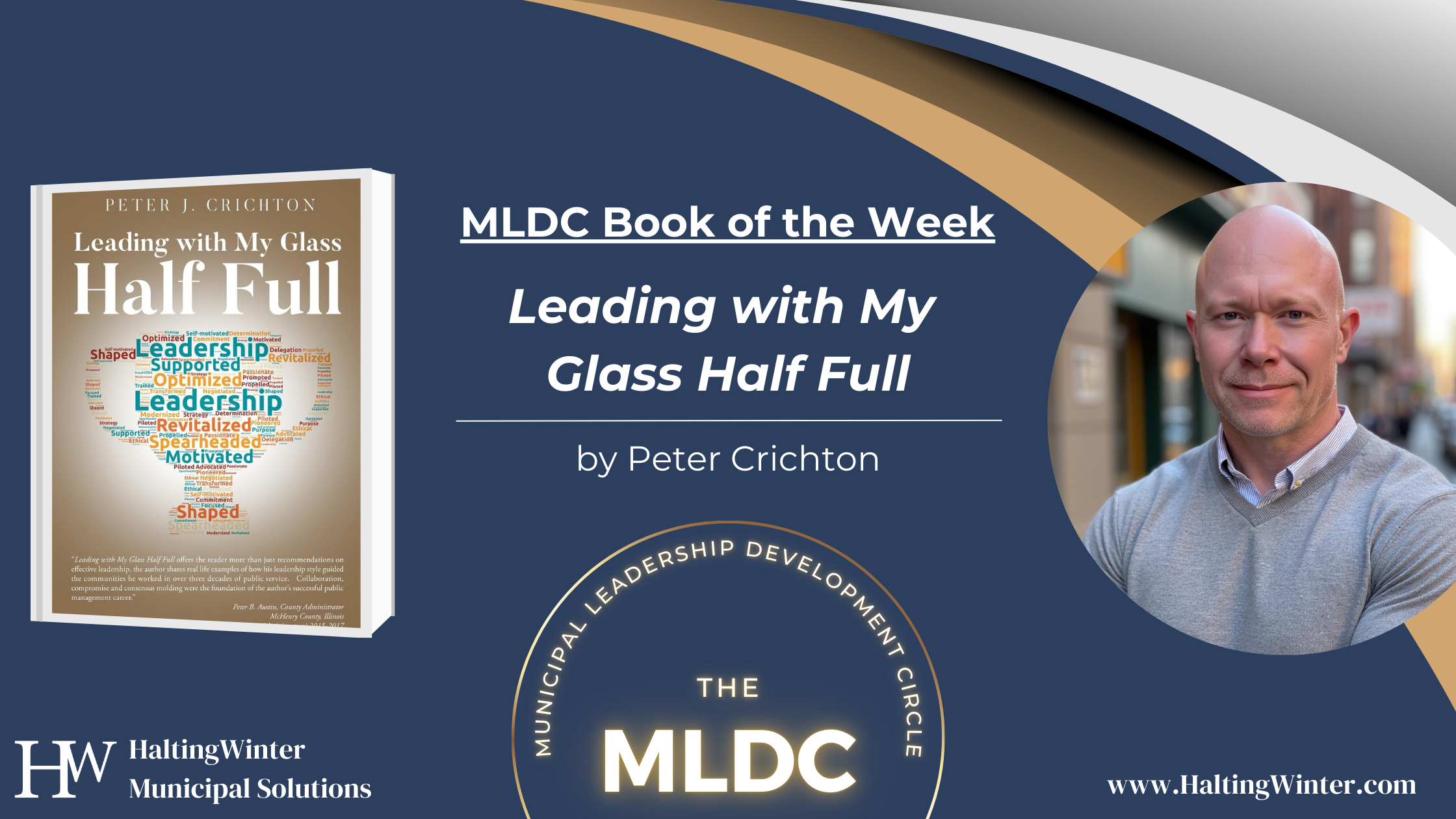
You know those mornings when optimism feels impossible. The budget constraints keep tightening. Your best department head just gave notice. Council is questioning your judgment. Community expectations continue rising while your resources keep shrinking.
Some days, keeping your glass half full feels like the hardest part of leadership.
You hired good people. You know they’re capable. So why does your talented team seem disengaged during strategic planning but energized during crisis response?
Why do some council meetings leave you feeling drained while others fuel your enthusiasm for the work? Why does that department head who’s brilliant at operations struggle to build support for new initiatives?
Here’s the breakthrough: It’s not about competence. It’s about alignment.
Are you exhausted from trying to be everything to everyone?
Do you feel like you’re supposed to be a budget wizard, crisis communication expert, strategic visionary, and community relations master all rolled into one superhuman city manager?
Are your best people leaving because they’re tired of being told to fix their weaknesses instead of using their strengths?
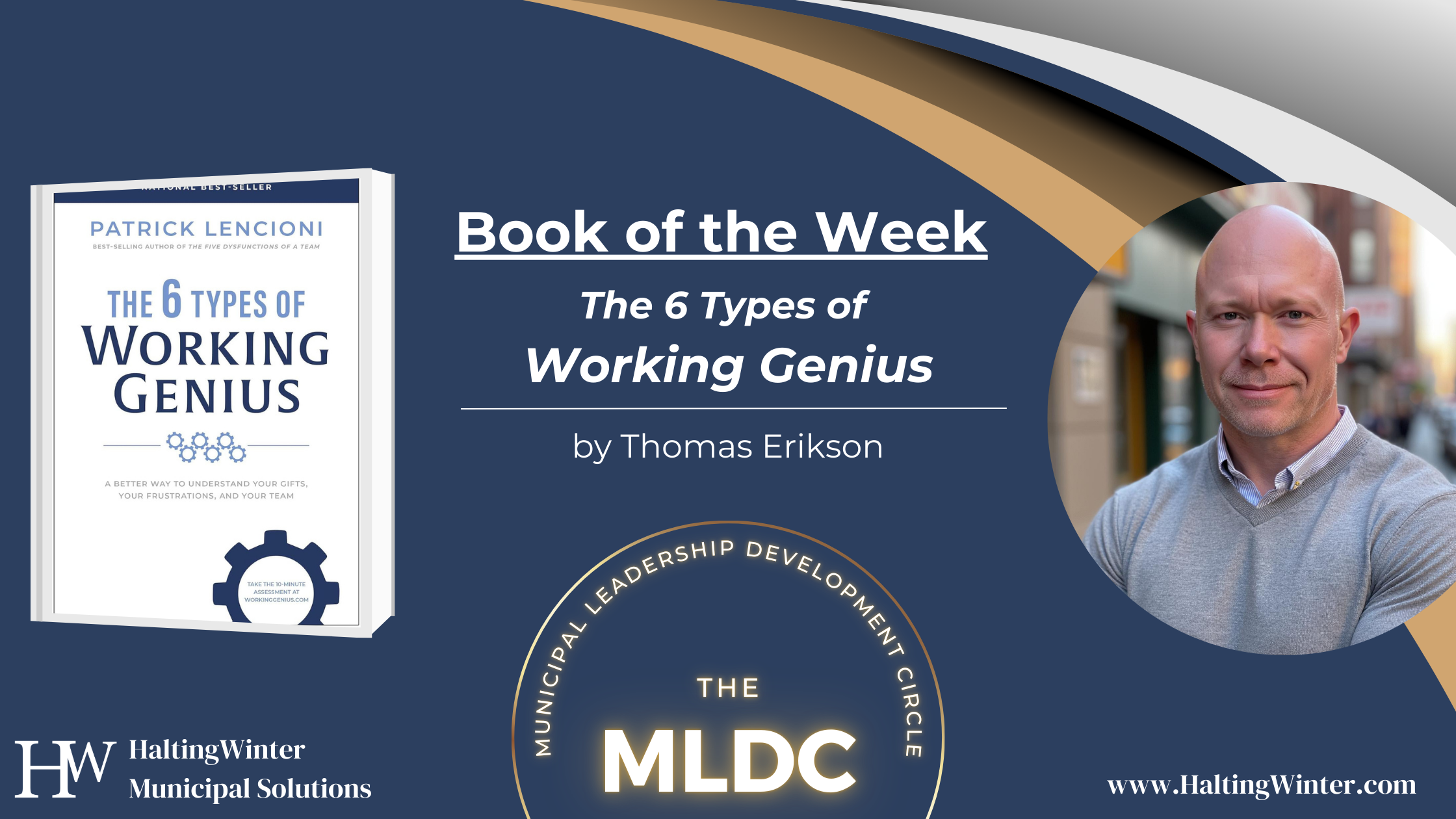
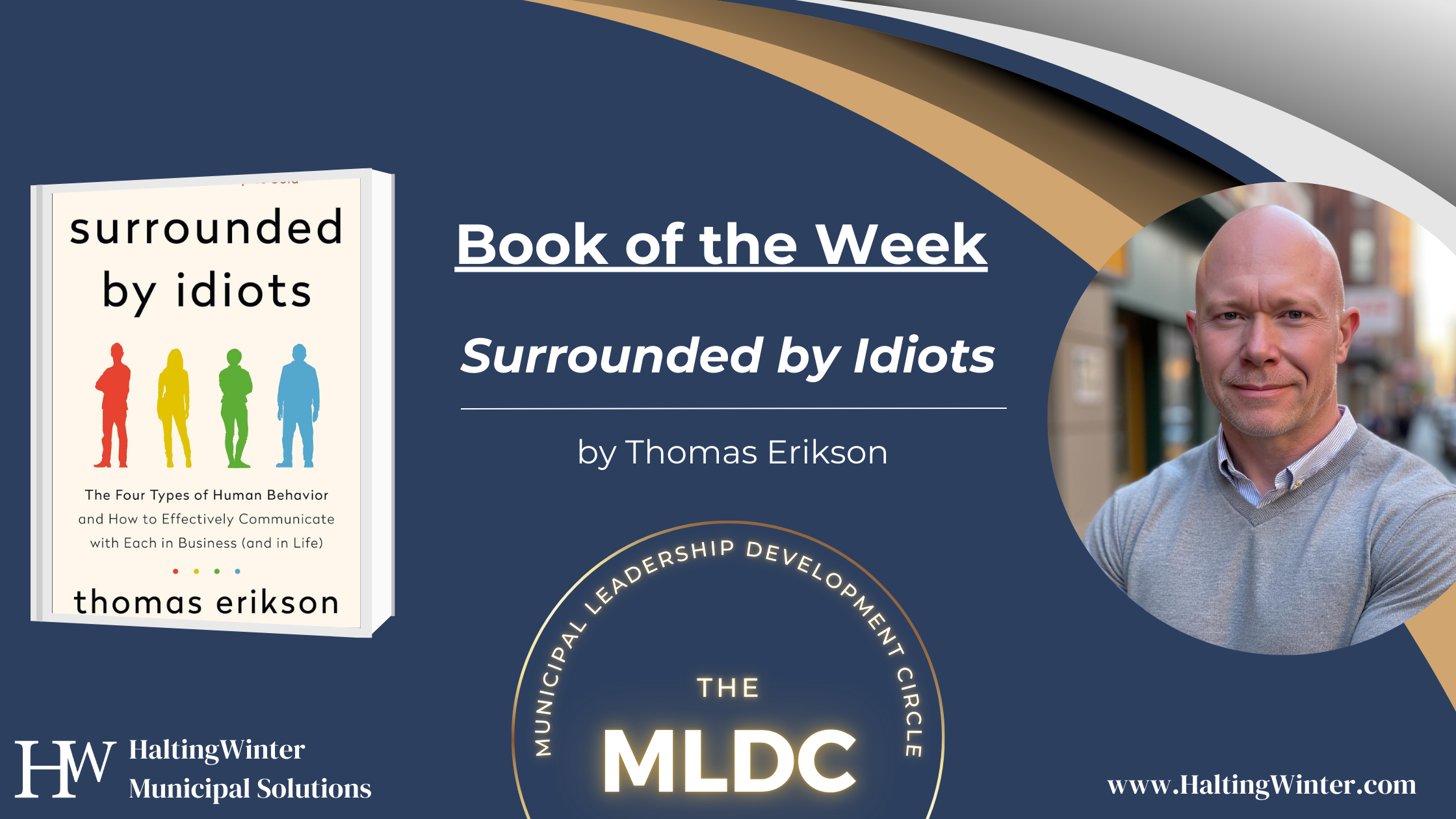
This week, we’re exploring Thomas Erikson’s “Surrounded by Idiots,” a fascinating guide to understanding the four personality types that shape every interaction in your professional life. Based on the proven DISC behavioral model, this book reveals why smart people often seem to completely miss each other’s points and provides a practical framework for communicating effectively with anyone.
You’ve balanced another budget. Completed another major project. Navigated another political crisis. Your performance metrics look strong, your council is satisfied, and your community is growing. By every traditional measure, you’re succeeding.
So why do you feel like you’re failing at what matters most?

You know what good leadership looks like. You’ve read the books, attended the workshops, and genuinely care about serving your community well. But when the pressure hits—budget crises, council conflicts, emergency situations—do you find yourself making decisions that don’t align with your stated values?
Your last leadership team meeting ran two hours over schedule. Again. Despite having some of the most qualified department heads in the region, decisions still feel like negotiations. Staff can recite your mission statement but can’t explain how their daily work connects to it. And that customer service initiative you launched three months ago? Half your employees still default to the old way of doing things.
If this sounds familiar, you’re not alone—and you’re not failing.
Every week, municipal leaders across North America face the same frustrating reality: despite having compelling data, solid proposals, and genuine passion for community service, their most important messages fall flat.
Council members glaze over during budget presentations. Citizens disengage from critical infrastructure discussions. Staff meetings feel disconnected from the mission that brought everyone to public service in the first place. The harder you push facts and figures, the more resistance you encounter.
This isn’t a failure of logic. It’s a failure of connection.